Be Inspired Blog - Arizona
Creating a Pollinator Friendly Environment
🌿 Create a Pollinator-Friendly Garden in the Desert Southwest
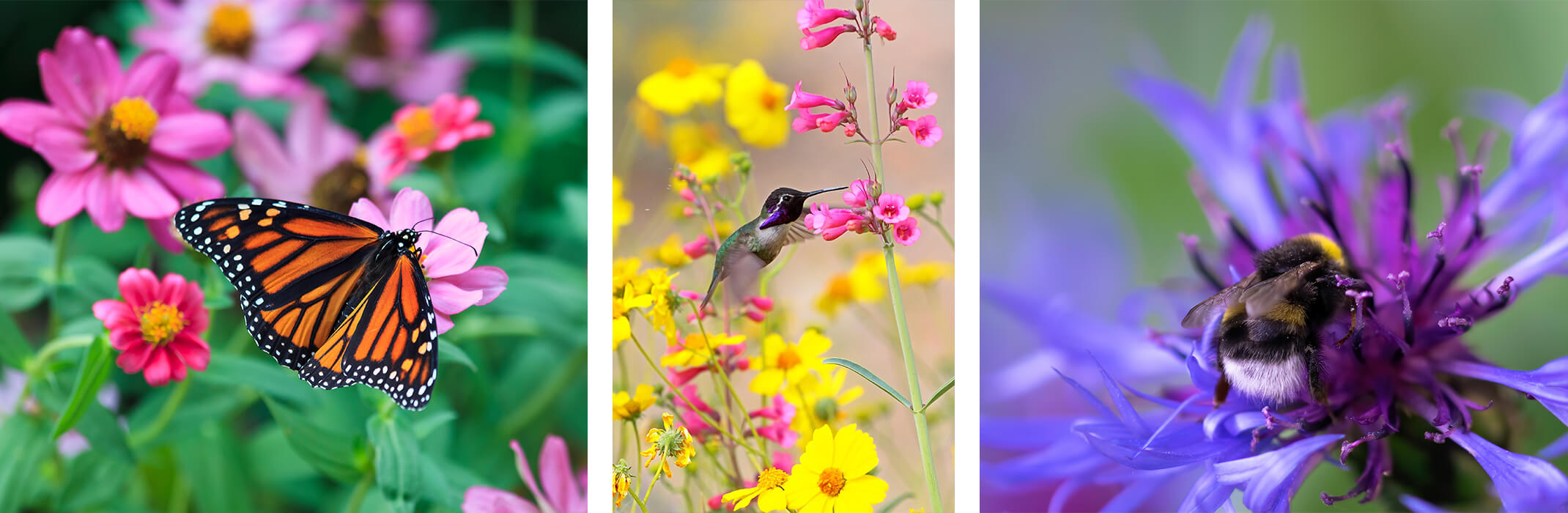
Bring more butterflies, hummingbirds, and bees into your garden with plants and design tips that truly work in the Valley of the Sun. Pollinators add movement, color, and life to your outdoor spaces—while also supporting healthier plants, bigger harvests, and a more resilient ecosystem. With the right mix of native plants, nectar-rich flowers, and thoughtful habitat elements, you can attract pollinators year-round.
On this page, you’ll find expert guidance on:
- 🌼 The best native plants for pollinators in Arizona
- 🦋 Plants that attract butterflies (beyond just milkweed!)
- 🐦 Top hummingbird plants and tips for using feeders
- 🐝 Bee-friendly plants + why native bees matter
- 🌱 How to support pollinators through all life stages
- 💧 Water, shelter, and organic gardening practices
- 🛠️ Helpful resources + in-depth guides
- 🛒 What you’ll find at your local SummerWinds Nursery
Whether you’re creating a full pollinator habitat or simply want to see more butterflies and hummingbirds, you’ll find everything you need right here.
 🌿 Why Pollinators Matter in Your Garden
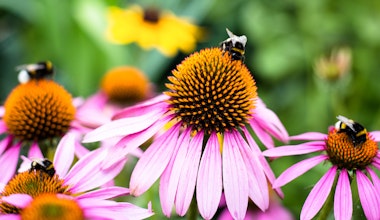
Bees, butterflies, and hummingbirds are essential for plant reproduction—helping flowers, fruits, and vegetables produce seeds and grow. Beyond their ecological role, pollinators bring joy to our outdoor spaces, making gardens more vibrant and dynamic.
🌱 Start with Native Plants — Your Pollinator Garden Foundation
Native plants are the most powerful way to support local pollinators. They’re naturally adapted to the desert climate and provide the exact food sources, nectar, pollen, and shelter our native species rely on.
 Benefits of Native Pollinator Plants
- Thrive in Arizona’s desert conditions
- Require less water once established
- Support local wildlife more effectively than non-natives
- Provide nectar, pollen, larval host sites, and habitat
- Help create a balanced, sustainable ecosystem
Explore Native Pollinator Plants
🦋 Plants That Attract Butterflies
Butterflies bring incredible beauty to gardens, and the right plant palette can draw many species—from Queens to Swallowtails.
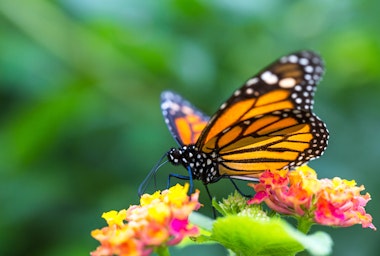 Top Butterfly-Friendly Plants Include:
- Milkweed (native varieties preferred)
- Butterfly Bush
- Lantana
- Verbena
- Pentas
- Salvias
- Coneflowers
- and many others...
Create a Complete Butterfly Habitat
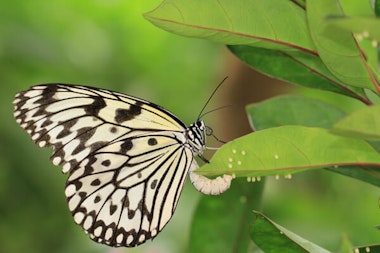 Butterflies need two kinds of plants:
- Nectar plants for adult butterflies
- Host plants for caterpillars
Building both into your garden ensures butterflies can feed, lay eggs, and complete their lifecycle.
Learn More:
- Attract Butterflies with these (19) Beautiful Plants
- How to Build Your Garden to Support Butterflies
🐦 Plants (and Feeders) That Attract Hummingbirds
Hummingbirds are among the easiest pollinators to attract with the right combination of tubular blooms and nutrient-rich nectar.
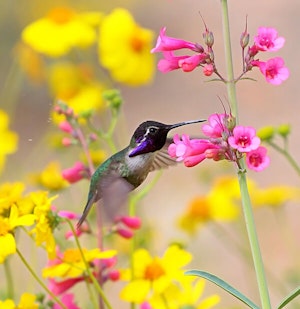 Hummingbird Favorites Include:
- Salvias
- Penstemon
- Desert Honeysuckle
- Aloe varieties
- Firecracker Bush
- Crossvine
- Tecoma stans (Yellow Bells)
You can also use hummingbird feeders to supplement natural nectar. Choose feeders that are easy to clean, offer clear nectar only, and place them near flowering plants for optimal activity.
Explore More:
- How to Attract Hummingbirds to your Garden Landscape (including hummingbird feeders)
- 27 Plants Hummingbirds Love
🐝 Bee-Friendly Plants for the Desert Southwest
Bees are the most effective pollinators—and Arizona is home to over 1,000 native bee species. Most are gentle, solitary bees that don’t form hives.
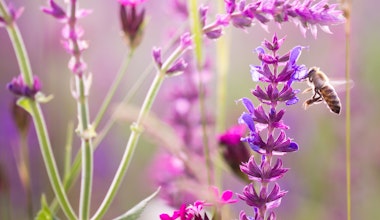
Great Plants for Bees Include:
- Lavender
- Sunflowers
- Sage and Salvias
- Catmint
- Coneflower
- Goldenrod
- Desert Marigold
- and dozens more...
Providing a diverse mix of bloom times ensures bees have pollen throughout the year.
🌼 How to Build a Complete Pollinator Habitat
To support pollinators long-term, your garden should include:
1. Plants That Provide Food (Nectar & Pollen)
Brightly colored flowers and native blooms offer energy sources essential for adult bees, butterflies, and hummingbirds.
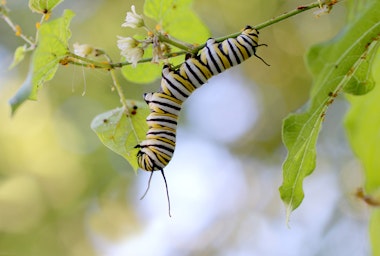 2. Host Plants for Larvae & Caterpillars
Butterflies and many bee species require specific plants for egg-laying and development.
3. A Variety of Bloom Times
Choose plants that bloom in spring, summer, and fall to support pollinators year-round.
4. Avoiding Chemical Pesticides
Organic Gardening practices protect pollinators and help them thrive.
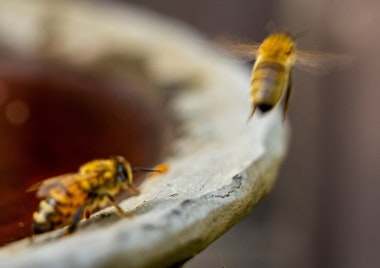 5. Safe Water Sources
Shallow water dishes and birdbaths give pollinators a place to drink and bathe.
Your local SummerWinds Nursery carries:
- Ceramic birdbaths
- Talavera styles
- Cast-stone designs
- Lightweight resin options
Adding stones or marbles gives bees a safe landing surface.
📚 Helpful Guides & Additional Resources
For more in-depth detail, explore these trusted resources:
- Selecting Plants for Pollinators – American Semidesert & Desert Province (Pollinator Partnership / NAPPC)
- Plants that Attract Hummingbirds – Audubon Southwest
- Sonoran Desert Pollinator Plant Guide (City of Phoenix)
- Arizona Pollinators – Arizona State Parks
These resources are tailored for pollinator gardening in Arizona and the greater desert Southwest.
🌵 Talk With a Trusted Garden Advisor
 For personalized recommendations, visit your local SummerWinds Nursery. Our team can help you:
- Choose the right plants for your location
- Create a pollinator-friendly design
- Select natives for Arizona’s climate
- Pick plants for specific pollinators
- Understand watering and maintenance needs